
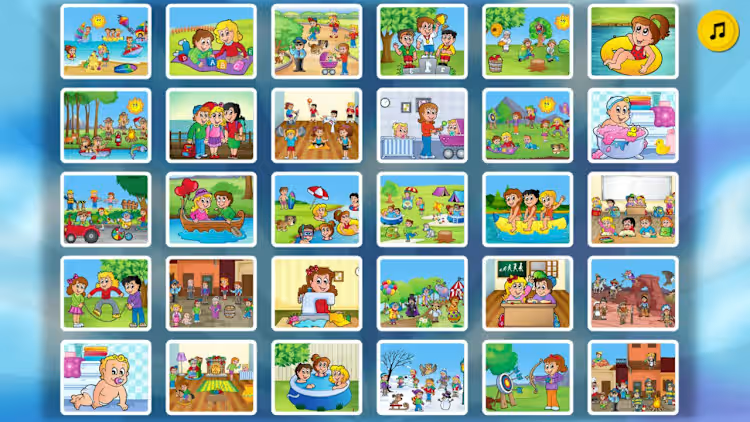
Every child loves to play. But what if playtime could also help them think better and learn new things? That’s what happens in a puzzle playground. It’s not just a bunch of swings and slides. It’s a smart playground full of creative challenges and fun puzzles that make kids use their brains while having a great time.
A puzzle playground turns simple play into something more exciting. Instead of just running around, children climb walls, solve color puzzles, jump across number tiles, and use logic to move from one part to another. It’s like a giant outdoor brain game mixed with fun activities. Kids love it because it feels like a real adventure. Parents love it because it helps children learn, stay active, and build confidence.
Unlike a normal park, where the main goal is fun, a puzzle playground adds learning to every activity. It encourages children to think, talk, and move together. It helps them become problem solvers, thinkers, and better teammates — all while they laugh and play. Let’s take a closer look at what makes puzzle playgrounds so special.
What Exactly Is a Puzzle Playground?
A puzzle playground is an outdoor area designed to mix learning and play. It’s full of interactive games that challenge a child’s brain. Instead of just sliding or swinging, kids might solve a maze, match shapes, or follow patterns to complete a path. Each game has a goal that helps build memory, coordination, and focus.
These playgrounds come in many themes. Some look like jungles with hidden puzzles. Others look like castles with secret doors that open when you solve riddles. There are also modern ones that use technology — where lights, sounds, and sensors make puzzles even more fun. The goal is always the same: help kids think while they play.
Every part of a puzzle playground is made to be hands-on. Kids touch, move, climb, and twist things to solve problems. They don’t even realize they are learning. That’s what makes it so powerful. It’s school without books — a place where fun leads to learning naturally.
Why Puzzle Playgrounds Are So Important
Puzzle playgrounds are not just trendy ideas; they actually help children grow in many ways. Each game and challenge teaches something valuable — patience, teamwork, and smart thinking. Let’s look at why they’re so useful.
First, they boost brain power. When kids solve puzzles, they use logic, pattern recognition, and memory. These skills improve concentration and decision-making. Even small puzzles make a big difference in how children think.
Second, puzzle playgrounds encourage physical activity. Kids climb, crawl, jump, and balance. These movements make their muscles strong and improve coordination. It’s full-body exercise without feeling like a workout.
Third, they build emotional strength. Some puzzles are easy; others are tough. When kids fail, they try again until they succeed. This teaches them not to give up and helps them believe in themselves. It’s a safe way to build confidence and patience.
Lastly, puzzle playgrounds teach teamwork. Many activities require group effort. Kids must talk, plan, and help each other. They learn how to listen and share ideas, which makes them better friends and problem solvers in real life.
Types of Puzzle Playgrounds
There’s no one type of puzzle playground. Each one can look and feel different depending on how it’s designed. Here are some of the most common and fun types:
1. Maze Playgrounds
Maze playgrounds are full of winding paths and hidden exits. Kids have to find their way through twists, turns, and dead ends. It makes them think fast and improves memory. Some mazes use hedges, while others use walls, ropes, or tiles.
2. Shape and Color Puzzle Zones
These areas use giant blocks, colored panels, and shape sorters. Kids match shapes, count numbers, or fit pieces into the right spots. It’s perfect for young children who are still learning colors and patterns.
3. Climbing Puzzle Areas
Climbing walls with puzzles add a twist to physical play. Children must climb in the right order or follow color codes to reach the top. It mixes logic and movement, which keeps the mind and body working together.
4. Balance and Coordination Games
These include stepping stones, ropes, and wobbly platforms. Kids must cross safely by balancing carefully. It teaches focus and improves control of body movement.
5. Interactive Smart Playgrounds
Some modern puzzle playgrounds use digital technology. Touch panels, motion sensors, and light puzzles make play even more exciting. When kids press a button or jump on a sensor, it lights up and reacts, creating a magical learning experience.
The Benefits of Puzzle Playgrounds
The puzzle playground offers benefits that go far beyond fun. It helps children in almost every part of life. Here are the biggest advantages:
1. Boosts Thinking Skills
Each puzzle encourages kids to think differently. They learn to solve problems, spot patterns, and make decisions. These skills help them in school and in daily life.
2. Builds Confidence
When children solve puzzles on their own, they feel proud. That small success gives them confidence to try new things. The more they play, the braver they become.
3. Encourages Physical Fitness
Kids move constantly in puzzle playgrounds — climbing, crawling, and balancing. It builds strength, stamina, and coordination, helping them stay healthy and active.
4. Develops Teamwork
Many puzzles can’t be done alone. Kids have to cooperate, share ideas, and communicate. They learn how to lead, listen, and respect others.
5. Improves Patience and Focus
Some puzzles take time to solve. Kids learn to slow down, think carefully, and stay patient. It teaches them not to quit when things get hard.
6. Sparks Creativity
The bright designs, colors, and shapes in puzzle playgrounds inspire imagination. Children make up their own games and stories. It’s a place where creativity runs wild.
7. Reduces Screen Time
Instead of sitting indoors with tablets or phones, kids play outdoors. Puzzle playgrounds give them healthy, active fun that’s much better than staring at a screen.
Why Schools Love Puzzle Playgrounds
Schools everywhere are adding puzzle playgrounds because they help students learn outside the classroom. Teachers notice that children who play in these areas become better at problem-solving and teamwork. They pay more attention in class and handle challenges more calmly.
Puzzle playgrounds also fit into modern education ideas. Learning doesn’t always have to happen at a desk. It can happen anywhere — especially through play. These playgrounds make lessons real. When kids climb, match, or solve something, they remember it better.
They’re also great for inclusivity. Puzzle playgrounds can be used by all kids, including those with disabilities. The games are made to be adjustable and safe. That means everyone can join the fun. It helps children learn kindness and cooperation early in life.
Design and Safety of Puzzle Playgrounds
Designing a puzzle playground takes a lot of care. Every piece of equipment must be safe, strong, and easy to use. The surfaces are soft to prevent injuries. Edges are smooth and round, and materials are non-toxic.
Designers also use bright colors and simple shapes to attract attention. Colors are not just for looks — they help kids learn pattern recognition and focus. Some playgrounds even follow nature themes like forests, oceans, or outer space to make playtime feel like an adventure.
Safety rules are always followed carefully. There are height limits, safe climbing points, and shock-absorbing floors. Puzzle playgrounds also include shaded spots and benches for parents to watch their children comfortably.
Accessibility is another key feature. Many modern designs include ramps and ground-level puzzles so that every child, including those with mobility challenges, can join the fun. It’s about giving every kid a chance to play, learn, and smile together.
How Puzzle Playgrounds Bring Families Together
A puzzle playground is not only for kids — it’s great for families too. Parents often join in and help their children solve puzzles or cheer them on from nearby. It’s a perfect way to spend quality time together, away from screens and distractions.
Families also meet other families at these playgrounds. Kids make new friends, and parents connect with neighbors. This builds stronger, friendlier communities. Puzzle playgrounds often become the center of family activities, picnics, and weekend fun.
It also teaches families teamwork. Parents guide, kids explore, and everyone enjoys solving puzzles together. These moments create memories that last a lifetime.
How to Create a Puzzle Playground
Building a puzzle playground takes creativity and planning. Here’s how it’s done step-by-step:
- Find the Right Spot – Choose an open, safe area with soft ground.
- Add a Mix of Games – Include puzzles for different ages so everyone can enjoy.
- Focus on Safety – Use strong materials, cover hard surfaces, and check every edge.
- Make It Colorful – Use bright, cheerful colors to attract attention and help kids learn.
- Add Learning Elements – Include numbers, letters, or symbols to boost knowledge.
- Ensure Accessibility – Add ramps and low puzzles for children with special needs.
- Ask for Community Help – Parents, teachers, and kids can share ideas and help design it.
With these steps, anyone can create a fun, safe, and educational playground that becomes the heart of the neighborhood.
FAQs
1. What is a puzzle playground?
A puzzle playground is a fun outdoor area filled with brain-challenging games and activities that help kids think and play at the same time.
2. Are puzzle playgrounds safe for little kids?
Yes, they are designed with safety first. Soft surfaces, round edges, and strong materials make them perfect for all ages.
3. Do puzzle playgrounds help children learn?
Yes! They build memory, problem-solving, teamwork, and coordination skills while keeping learning fun.
4. Can schools use puzzle playgrounds?
Definitely! Many schools add them to promote creative learning and teamwork outside the classroom.
5. Can parents join in the fun?
Of course! Parents can help solve puzzles, encourage their kids, and enjoy family time together.
Conclusion
A puzzle playground is more than just a play area — it’s a world of fun, learning, and discovery. It helps children think smarter, move better, and grow stronger. Every climb, jump, and puzzle solved brings new confidence and joy.
Parents love watching their kids learn through play, and schools see real improvement in focus and teamwork. Puzzle playgrounds make kids creative, social, and healthy — everything a good playground should do.
So, next time you see a puzzle playground, don’t just walk by. Let the kids play, explore, and think. Watch their faces light up as they solve challenges and laugh with friends. Because in the world of puzzle playgrounds, every puzzle solved is a new victory.
